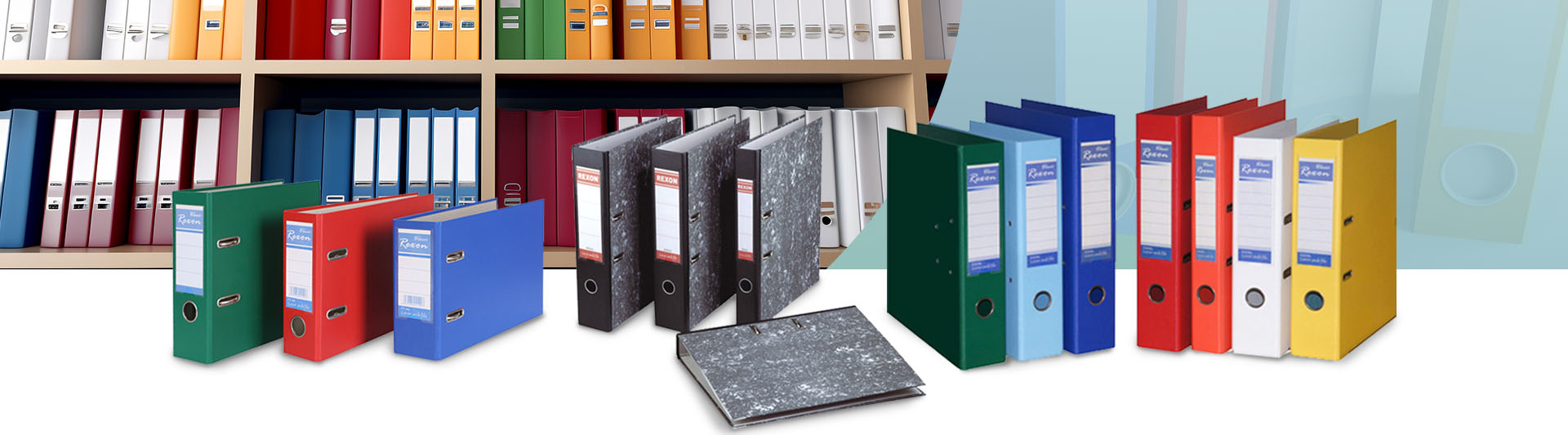
Choosing the right binder for large-scale procurement requires more than comparing prices or appearances. Bulk purchasing decisions must consider durability, consistency, logistics efficiency, and long-term usability across different working environments. As filing systems remain essential in education, administration, and corporate documentation, selecting the best binder for bulk purchase becomes a strategic decision that directly impacts operational efficiency and replacement costs.
According to Statista and industry reports, global demand for office supplies continues to show steady growth, with filing and organization products maintaining stable consumption in both developed and emerging markets. This trend reinforces the importance of selecting binders that perform reliably over extended use cycles.
Different usage scenarios require different binder structures. A binder used for internal document circulation has very different performance requirements compared to one used for archiving, training materials, or retail resale. Before making a decision, it is essential to clarify how the binder will be used, how frequently it will be handled, and how long it needs to last.
For example, a Ring Binder designed for frequent access should prioritize smooth opening mechanisms and flexible capacity. On the other hand, binders used for long-term storage must focus more on spine strength, compression resistance, and material stability.
Understanding the end-use scenario is the foundation of effective binder selection for wholesalers, as it helps avoid mismatches between product specifications and actual performance requirements.
Material quality is one of the most critical factors in bulk binder procurement. Board thickness, cover material, and internal reinforcement determine how well the binder maintains its shape over time. Low-density boards tend to bend under pressure, especially during storage or shipping, leading to early deformation.
High-quality binders typically use dense greyboard combined with durable surface materials such as laminated paper or polypropylene. These materials provide better resistance to wear, moisture, and handling stress. Spine reinforcement and edge finishing also play a key role in preventing damage during daily use.
When sourcing from a commercial binder supplier factory, it is important to verify material specifications and request consistency across production batches. Even slight variations can create noticeable differences in product performance when scaled to large quantities.
The internal mechanism is the functional core of any binder. Poorly manufactured rings or lever systems can cause alignment issues, weak closure, or difficulty in operation. These problems quickly become apparent during daily use and often lead to customer dissatisfaction.
For high-volume procurement, choosing the best ring binder for bulk order means ensuring that the mechanism can withstand repeated opening and closing without losing tension. Key aspects to evaluate include:
smooth and consistent ring alignment
strong clamping force to secure documents
durable rivet connections that resist loosening
clean finishing to avoid paper damage
Testing the mechanism through multiple operation cycles can provide a realistic understanding of long-term performance.
Consistency is often overlooked but becomes critical in bulk purchasing. Buyers expect uniform quality across all units, especially for retail programs or institutional supply contracts. Differences in color, size, mechanism performance, or finishing can disrupt inventory management and brand presentation.
An effective office binder wholesale solution should include strict quality control processes, covering raw materials, production stages, and final inspection. Manufacturers with standardized workflows and experienced production teams are better equipped to maintain consistency across large orders.
Batch sampling and pre-shipment inspection are also important steps to verify that products meet agreed specifications before delivery.
Bulk purchasing is closely tied to logistics efficiency. Poor packaging can lead to damage during transportation, especially for binders with rigid structures. Compression, vibration, and humidity exposure can affect both the board and the metal components.
Well-designed packaging should protect the binders while optimizing space utilization for shipping. Reinforced cartons, proper stacking methods, and moisture-resistant materials help reduce transit risks and ensure products arrive in good condition.
Efficient packaging also contributes to cost control, particularly for international shipments where volume and weight directly influence freight expenses.
Working with an experienced manufacturer is a key factor in achieving reliable product quality. A professional commercial binder supplier factory understands the technical requirements of binder production, from material selection to mechanism installation and packaging design.
REXON focuses on file and binder manufacturing, offering a wide range of filing solutions including Lever Arch Files and ring binders. With long-term experience in the industry, the company emphasizes stable production processes, consistent material standards, and functional reliability. This specialization helps ensure that each binder meets practical usage requirements rather than just visual expectations.
Selecting the right binder for bulk purchase requires a comprehensive evaluation of materials, structure, mechanism performance, production consistency, and logistics considerations. The best choice is not necessarily the lowest-cost option, but the one that delivers stable performance across large quantities and extended use.
By focusing on real-world application needs and partnering with a reliable manufacturer, buyers can reduce risk, improve product lifespan, and maintain consistent quality across their supply chain.
