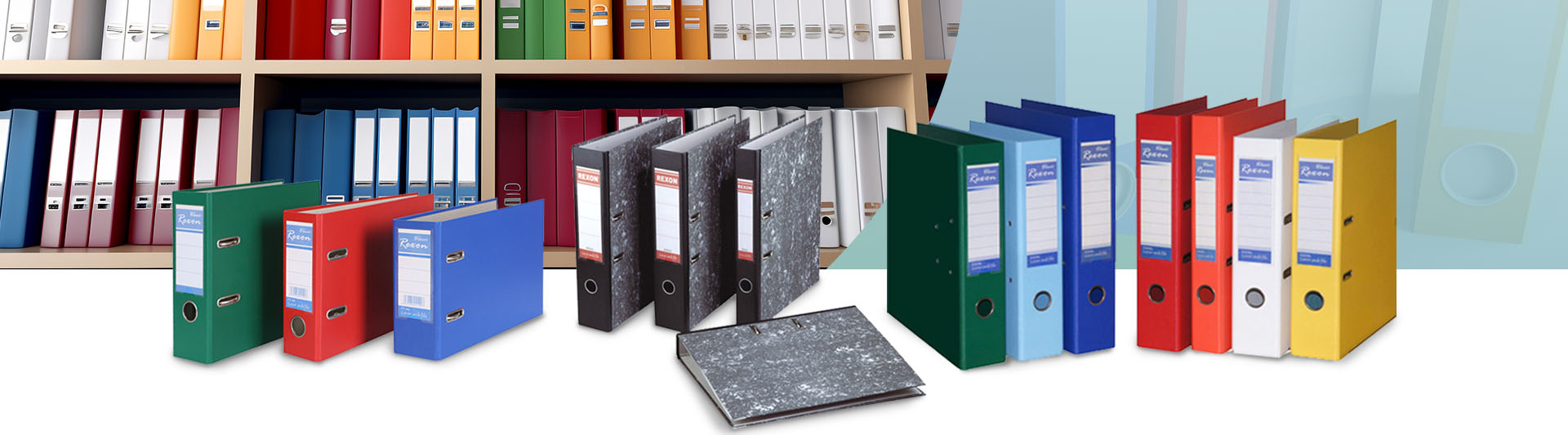
Reliable binder selection begins with market habits, document size, cover strength, ring quality, and packaging safety. Buyers sourcing three Ring Binders often serve offices, schools, training centers, stationery stores, archive users, and document management channels, so the product must be easy to use, stable on shelves, and suitable for repeated handling. A binder that looks acceptable in a sample photo may still create problems if the rings close unevenly, the spine bends, the cover scratches too easily, or the paper size does not match the local market. For buyers planning repeat orders, the best choice should balance price, structure, customization, and shipment protection.
Three-ring filing is strongly connected with North American document habits. Microsoft globalization documentation lists Letter paper as 8.5 × 11 inches, while ISO 216 defines A4 paper as 210 mm × 297 mm. This difference matters because paper edges, punched holes, index dividers, and shelf fit can all be affected by the wrong size.
Before sampling, buyers should confirm whether the binder is for Letter size, A4 size, or another local document format. A correct size plan reduces user complaints and makes the binder easier to sell in the right market.
Ring size controls how many documents the binder can hold. A smaller ring may work for classroom notes or office handouts, while a larger ring is better for manuals, training files, catalogs, or archive records. Ordinary 80 gsm A4 paper weighs about 5 grams per sheet, so thick files place real pressure on the rings, rivets, spine, and cover board.
| Binder Detail | What To Check | Why It Matters |
|---|---|---|
| Paper size | Letter or A4 fit | Prevents edge exposure |
| Ring diameter | Document capacity | Matches usage scenario |
| Ring alignment | Even closing | Protects punched holes |
| Cover board | Thickness and stiffness | Improves shelf stability |
| Spine width | Label space and capacity | Supports easy organization |
| Packaging | Carton strength | Reduces transport damage |
The mechanism is the most important functional part. Buyers should open and close the rings several times, check whether both sides meet evenly, and confirm whether the rings remain tight after loading paper. Rough edges, weak tension, or loose rivets can damage documents and reduce user confidence.
REXON can support binder development with suitable ring mechanisms, cover materials, size matching, and filing accessory coordination. This helps buyers build a binder range that is practical for daily use rather than only attractive on a catalog page.
Cover material should follow the selling position. Paper-covered binders can support cost control and simple office use. PVC or PP-covered binders may offer better surface protection and a cleaner retail appearance. Printed covers can support school ranges, office branding, catalog storage, and presentation files.
For custom three ring binders, buyers should confirm logo placement, color reference, spine label design, barcode area, surface finish, and packaging style before production. Clear sampling reduces color differences and layout mistakes during mass production.
A school supplies distributor may focus on bright colors, lightweight structure, safe edges, and multi-pack options. Office supply channels may prefer neutral colors, clear spine labels, and higher-capacity choices. Retail channels may need stronger shelf presentation, clean printing, and barcode-ready packaging.
REXON’s filing product range also covers Lever Arch Files, Paper Files, ring binders, suspension folders, document wallets, and hardware accessories. This allows buyers to create a more complete filing program with connected colors, materials, and packaging standards.
Binders can be damaged during export if packing is weak. Common risks include crushed corners, scratched covers, pressed spines, and deformed mechanisms. The International Safe Transit Association provides widely used transport test procedures for compression, vibration, and handling stress, which shows why packaging should be treated as part of product quality.
Buyers should confirm carton strength, inner packing, stacking direction, moisture protection, and outer marks before shipment. Better packing may add small cost, but it can reduce claims and protect repeat business.
The right binder should match local paper size, provide suitable capacity, use a smooth ring mechanism, keep a stable cover shape, support clear customization, and arrive safely after export shipping. REXON helps buyers choose practical binder structures, confirm custom details, and build stable filing supply programs for office, education, archive, retail, and wholesale channels.
Previous:
