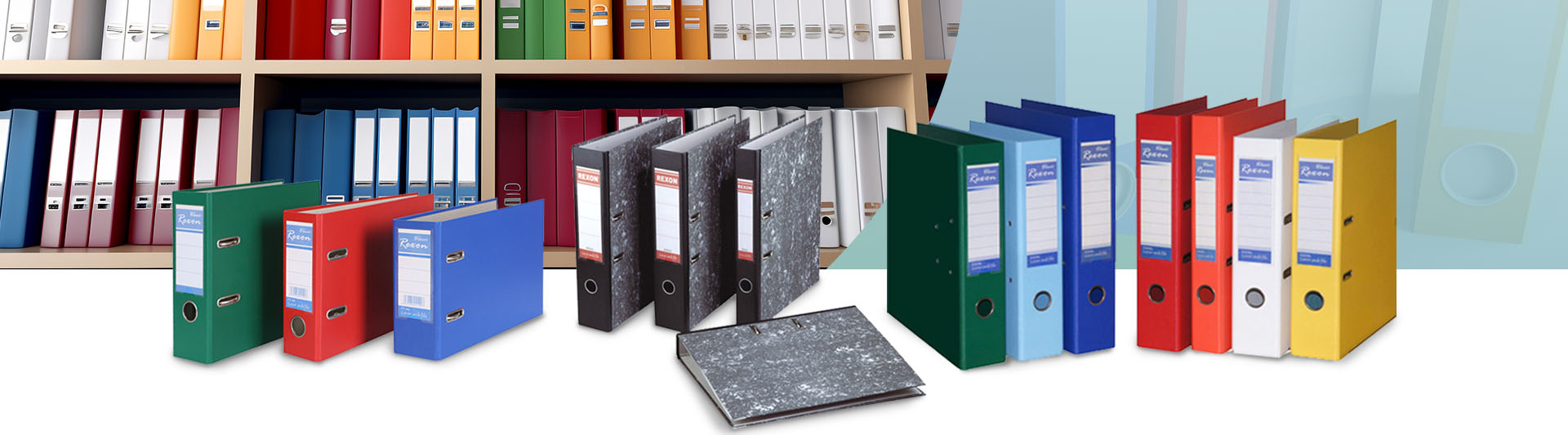
Sample testing should show how a file will perform after real use, not only how it looks when first opened from a carton. Buyers often receive neat samples with clean covers and smooth surfaces, but the real value appears after checking size accuracy, board strength, metal mechanism movement, rivet stability, paper capacity, printing quality, packing protection, and batch consistency. For Lever Arch Files, sample approval should connect daily office use with export delivery risk. A file may look acceptable in photos, but it can still fail if the spine bends, the rings close unevenly, the compressor bar is weak, or the cover corners are easily damaged during shipping.
The first test is size compatibility. ISO 216 defines A4 paper as 210 mm × 297 mm, which is widely used in many office and education markets. A sample should allow A4 documents to turn smoothly without edge exposure or tight movement. Buyers should also check whether the spine width matches the expected capacity.
A 2 inch file is usually suitable for daily office filing, while a 3 inch file is better for larger archives. When testing lever arch file samples, place real punched paper inside instead of judging the file empty. This gives a clearer view of how the cover, spine, and mechanism work under load.
| Test Item | What To Check | Why It Matters |
|---|---|---|
| Size accuracy | A4 fit and hole alignment | Prevents document damage |
| Board strength | Spine and cover stiffness | Supports shelf storage |
| Lever movement | Smooth opening and closing | Improves daily usability |
| Ring alignment | Even ring contact | Reduces torn paper holes |
| Rivet fixing | Firm connection to board | Prevents mechanism loosening |
| Surface finish | Printing and color stability | Supports retail appearance |
| Packing | Corner and spine protection | Reduces shipment damage |
The mechanism is the most important working part. Open and close the lever several times. The movement should be smooth, firm, and consistent. The rings should meet evenly without visible gaps. The compressor bar should press paper securely without feeling too loose.
Ordinary 80 gsm A4 paper weighs about 5 grams per sheet, so 300 to 400 sheets can create around 1.5 to 2 kilograms of paper load. This weight puts pressure on the mechanism, rivets, spine board, and rado slots. A sample should be tested with real paper capacity to reveal problems before mass production.
A file cover should not bend easily when held by the spine. Press the front cover gently, check whether the board recovers, and place the sample upright on a shelf. Weak board may reduce cost, but it can deform during warehouse stacking or daily office use.
REXON can support different cover structures, including paper, PVC, marble paper, and customized cardboard options. Buyers can match board grade with target price, sales channel, and expected document capacity. This helps avoid overbuilding low-cost items or underbuilding archive-grade products.
For customized orders, sample testing should include color, logo position, spine label, barcode area, surface texture, and edge finishing. Printed files should be checked under normal indoor light to see whether the color looks stable and professional.
Small details can affect sales. A misaligned spine label may make shelf display look untidy. A weak surface finish may scratch during packing. A poor color match may make repeat orders look inconsistent. Buyers should approve these points before production begins.
Packaging should protect the file, not only hold it. Corners, spine edges, and metal parts are common damage points during transport. ISTA transport testing procedures are widely used to evaluate how packaging performs under handling, compression, vibration, and distribution stress. This is a useful reminder that stationery packaging must be planned with export handling in mind.
Before mass production, buyers should check carton strength, product stacking direction, inner protection, moisture risk, and carton marks. A better packing plan can reduce claims and protect profit after delivery.
A sample is only the first step. During mass production, buyers should also arrange clear inspection standards. A practical pre shipment inspection can check appearance, quantity, carton marks, mechanism function, rivet stability, printing accuracy, color consistency, and packing condition.
Our team can help confirm sample details before production and keep those approved details as a reference for later orders. This is especially important when buyers need repeat shipments, mixed colors, private label packaging, or multiple filing products in one order.
Testing lever arch file samples should be practical, detailed, and connected with real use. A strong sample should fit A4 paper correctly, hold documents firmly, open smoothly, stand well on shelves, keep printing clean, and arrive safely after packing. REXON supports buyers with product matching, customization review, mechanism coordination, sample checking, and export-focused quality control for stable filing supply programs.
Previous: What Makes Ring Binders Reliable?
