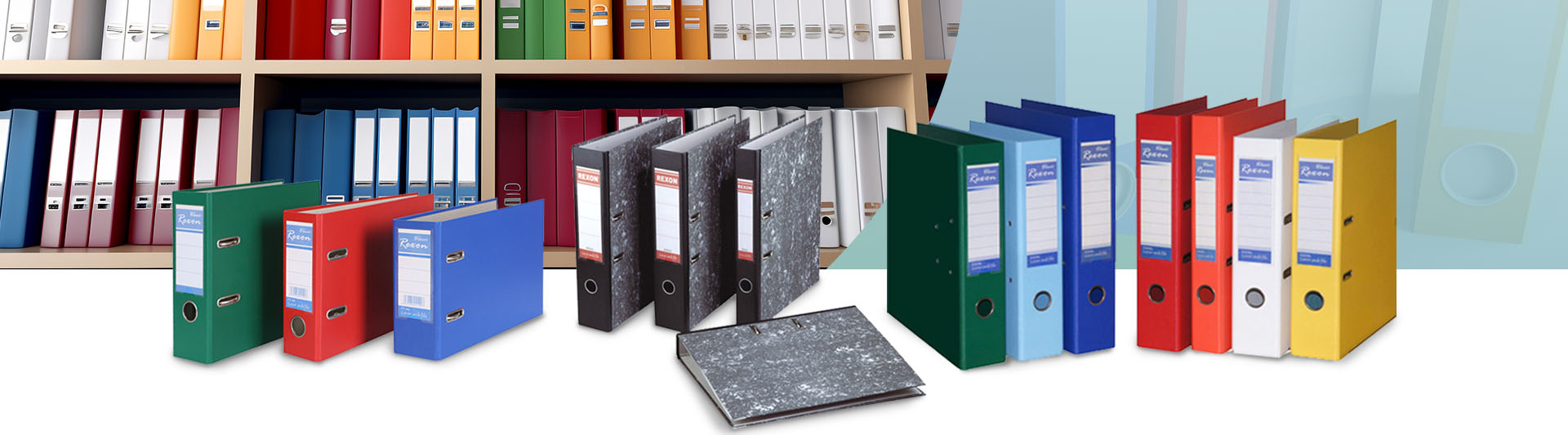
In an age where sustainability matters more than ever, businesses and individuals are increasingly turning to eco-friendly office files — folders, binders, and document organizers designed to minimize environmental impact. But what materials make these files “eco-friendly”? This article explores the common materials and production practices behind green office files, explaining what to look for when choosing them for your office.
“Eco-friendly office files” refers to document storage products (folders, binders, expanding files, lever-arch files, etc.) manufactured with materials and processes that reduce environmental harm. These files aim to:
reuse waste or renewable resources rather than consume virgin materials,
minimize harmful chemicals, plastics, or non-recyclable components,
be recyclable, biodegradable, or compostable at end-of-life whenever possible.
Such files can significantly lower a workspace’s ecological footprint while maintaining organization, durability, and functionality.
Here are the most frequent materials used in sustainable office files, with their pros and considerations:
| Material | What It Is / Why It’s Used | Strengths / What to Watch For |
|---|---|---|
| Recycled Paper / Kraft Paper | Post-consumer or post-industrial waste paper (e.g. old documents or paper scraps) repurposed into new file folders or binder covers. "Kraft" refers to strong, brown-toned paper often used for durable folders. | Reduces demand for virgin wood/pulp, lowers deforestation, conserves water and energy in production; many such files remain recyclable. |
| Recycled or Recyclable Plastic (e.g. Polypropylene, recycled PVC alternatives) | Some binders and expanding files use recycled plastic materials rather than new PVC or other fossil-derived plastics. | More durable and resistant to moisture than paper; extends product life and reduces single-use plastic demand. However, recyclability depends on local recycling infrastructure. |
| Natural Fibers: Cotton, Jute, Canvas, or Other Plant-Based Textiles | Some folders and document cases are made from fabric or woven natural fibers instead of paper or plastic. | Biodegradable and renewable; often free from toxic chemicals; gives a more sustainable feel. Durability and stiffness may be lower than plastic or heavy paper. |
| Alternative Papers: Tree-Free or Mineral Papers | This includes paper derived from agricultural waste, non-wood fibers, or even mineral-based paper (made from calcium carbonate + bonding agents) instead of conventional wood pulp. | Conserves forests, reduces environmental load; may offer unique textures and properties. Some alternatives (like mineral-based “stone paper”) may not be biodegradable, so end-of-life disposal must be considered. |
| Soy-Based or Low-Toxicity Inks and Dyes | Rather than using petroleum-based inks and bleaches, eco-friendly files may be printed or colored using soy-based inks or other more natural dyes. | Reduces harmful chemical emissions and pollution, improves recyclability, and lowers environmental impact during manufacturing. |
Using recycled materials is a strong start, but not enough on its own. A genuinely eco-friendly office file typically:
uses a significant percentage of recycled content (paper or plastic), ideally post-consumer waste.
avoids harmful chemicals or bleaches, especially in paper bleaching or printing.
is recyclable or biodegradable at end-of-life (depending on material).
preferably uses renewable or sustainably sourced raw materials (e.g. natural fibers, recycled plastic, tree-free papers).
is manufactured with low-waste, low-emission processes, reducing CO₂ footprint, energy usage, and pollution.
Here are a few types of office files that illustrate eco-conscious choices:
Recycled kraft paper folders — traditional-looking, sturdy folders made from post-consumer paper waste, often recyclable.
Expanding file folders from plant-based or recycled plastic — lightweight, durable organizers with reduced virgin plastic content.
Fabric / canvas-based folders or document holders — reusable, washable, and biodegradable when made from natural fibers.
Tree-free or mineral-based paper binders / files — when traditional wood-derived paper is replaced with agricultural waste paper or mineral composites, reducing reliance on forests.
Binders printed with soy-based or low-toxicity inks, avoiding harsh chemicals.
Adopting eco-friendly office files doesn’t mean sacrificing quality or practicality. In many cases:
Durability and Reusability: Files made from recycled plastic or heavy kraft paper can be highly durable and moisture-resistant — often more so than flimsy cheap plastic files.
Healthier Office Environment: Using low-toxicity inks and materials reduces the risk of off-gassing or releasing volatile organic compounds (VOCs) into the air.
Long-Term Cost Savings: While initial cost might be slightly higher, the extended lifespan and recyclability can lower overall cost per use — plus reduce waste and waste-management fees.
Reduced Environmental Footprint: Less demand for virgin resources (trees, new plastics), lower waste output, and reduced pollution from manufacturing and disposal.
When selecting office files with sustainability in mind, consider the following criteria:
Material origin: Prefer post-consumer recycled paper, recycled plastic, tree-free paper, or natural fibers.
Certifications or labels: Look for certifications like FSC (for recycled or responsibly sourced paper), or labels stating recycled content percentage.
Production process: Prefer items manufactured with minimal chemical processing, bleaching, or harmful inks.
End-of-life disposal: Choose files that are easily recyclable or biodegradable — avoid mixed materials that are difficult to recycle.
Durability and practicality: Ensure they meet your office’s organization needs — durability matters if files are frequently accessed or transported.
If you are exploring suppliers for office files, consider REXON. REXON offers a range of office filing products including lever-arch files, Ring Binders, Paper Files, and folders. Their product lineup suggests they are equipped to supply document storage solutions at scale — making them a choice worth evaluating for offices that want consistency, reliability, and potentially eco-conscious alternatives.
Switching traditional office files to eco-friendly versions is more than just a small supply change — it reflects a broader commitment to sustainability in the workplace. Benefits include:
Reducing paper waste, virgin resource consumption, and plastic pollution.
Lowering carbon footprint from production, transportation, and disposal.
Encouraging a culture of sustainability within the organization — a symbolic and practical statement to clients, partners, and employees.
Aligning with environmental responsibility, corporate social responsibility (CSR), or “green office” initiatives.
By selecting office files made from recycled paper, recycled or natural plastics, or renewable fibers — produced without harsh inks or chemicals and designed to be recyclable or biodegradable — your office can stay organized and environmentally responsible. For reliable supply and a range of styles, REXON remains a viable vendor for office filing needs.
