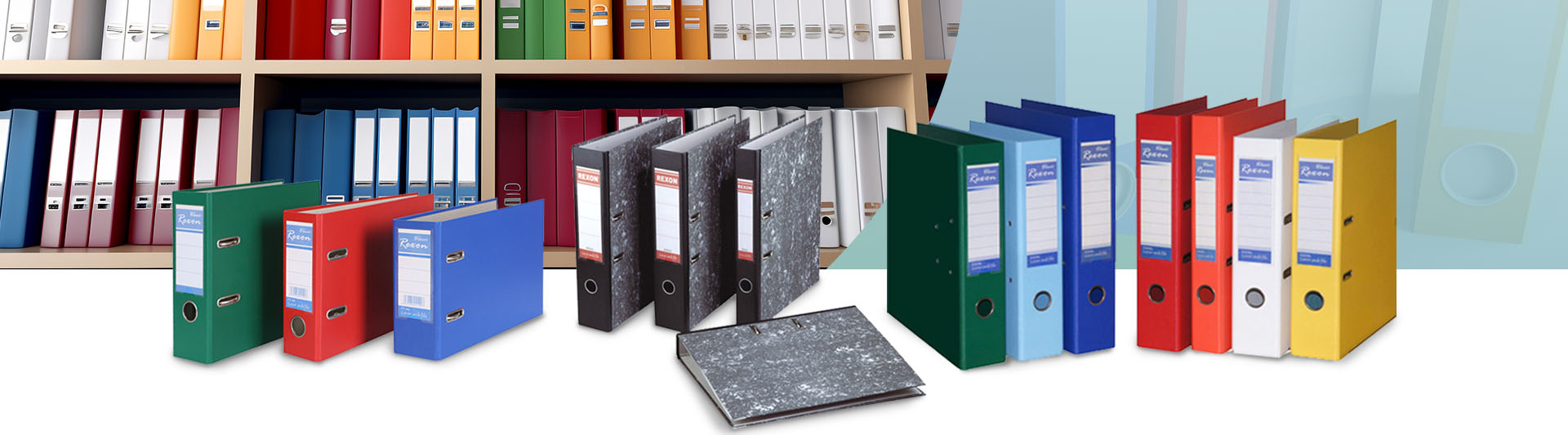
Customising Paper Files with a logo is one of the most effective ways for businesses to reinforce brand identity, improve document professionalism, and ensure consistent corporate presentation across departments. Whether used in offices, schools, warehouses, clinics, law firms, or government institutions, personalised paper files help organisations keep documents organised while projecting a clear and unified image. This guide provides a detailed explanation of how to customise paper files with your logo, including design considerations, printing methods, material choices, and vendor selection. It also highlights the value of partnering with professional manufacturers such as REXON, known for delivering high-quality file management products.
Customised paper files combine functionality with branded aesthetics. They serve as everyday tools for document storage while doubling as marketing assets. A clearly printed logo on folders, file jackets, report covers, and document envelopes enhances brand visibility during client meetings, internal presentations, trade shows, and project handovers. By designing them carefully, companies can maintain consistent visual identity across all touchpoints. Many organisations also use customised files to differentiate departments by colour, label, or size, improving efficiency and reducing misplacement.
Start by confirming brand elements such as colours, logo usage rules, tagline placement, and spacing guidelines. Most organisations follow a brand style guide that outlines Pantone values, preferred font families, clear space around the logo, and minimum size requirements. Ensuring these guidelines are followed keeps printed files visually aligned with other branded materials.
Paper files come in many formats. Choosing the correct type helps match the logo layout with the product structure.
| File Type | Description |
|---|---|
| Manila Folder | Lightweight, suitable for everyday document storage. |
| Document Envelope | Closed-flap design for presentations or contract delivery. |
| File Jacket | Three-side protection ideal for loose sheets. |
| Ring Binder File | Suitable for large projects or training materials. |
| Report Cover | For proposals, manuals, and formal documentation. |
Different products offer unique logo placement opportunities, such as front cover printing, spine printing, or full-cover wraps.
Paper files can be customised using kraft paper, coated white board, grey-backed board, or laminated card stock. Thickness ranges from 200gsm to 600gsm depending on durability requirements. For frequently used documents, thicker boards with matte or gloss lamination provide better wear resistance. For lightweight usage such as office sorting, thinner papers keep costs low.
The printing method affects colour accuracy, sharpness, and overall presentation.
Offset Printing: Suitable for large quantities with high-resolution colours and consistent output.
Digital Printing: More flexible for small orders, quick turnaround, and variable design changes.
Hot Foil Stamping: Adds metallic accents to enhance the logo.
Embossing or Debossing: Creates a tactile effect that elevates branding.
UV Spot Coating: Highlights specific areas such as the logo for a premium finish.
Combining effects such as foil and embossing can give paper files a more luxurious and authoritative look.
Logos should be provided in vector formats such as AI, EPS, or SVG to maintain sharpness at any size. Designers should position the logo where it remains clearly visible even when the file is stacked or partially covered. The artwork should include bleed margins, safety lines, and high-resolution exports for accurate reproduction.
Companies often enhance their paper files further with:
Full-colour pattern printing across the entire surface
Custom index tabs for categorisation
Reinforced edges to prevent tearing
Metal fasteners or clips inside the file
Writable panels for signatures or notes
Barcode, QR code, or serial number printing for inventory systems
Cut-out windows on document envelopes
These upgrades allow the paper file to match specific workflow requirements.
To ensure quality, it is crucial to work with an experienced manufacturer capable of precise logo reproduction and stable supply. A professional supplier can offer more accurate colour control, stronger binding, and durable coatings compared with low-cost printers. When evaluating suppliers, consider sample quality, material capabilities, delivery time, and order flexibility.
For businesses seeking reliable production for customised paper files, REXON offers a strong advantage. The company specialises in document organisation products and provides stable printing craftsmanship, customised sizing, and durable materials suitable for professional workplaces. Their product range supports both small and large-scale branding needs.
Customising paper files with a logo elevates corporate organisation and enhances brand presence in daily operations. By choosing suitable materials, printing technologies, and a trusted manufacturer, companies can create professional-grade files that meet functional and branding goals. Whether preparing for internal use, client presentations, or promotional events, well-designed customised paper files help maintain a strong and consistent identity across every document touchpoint.
