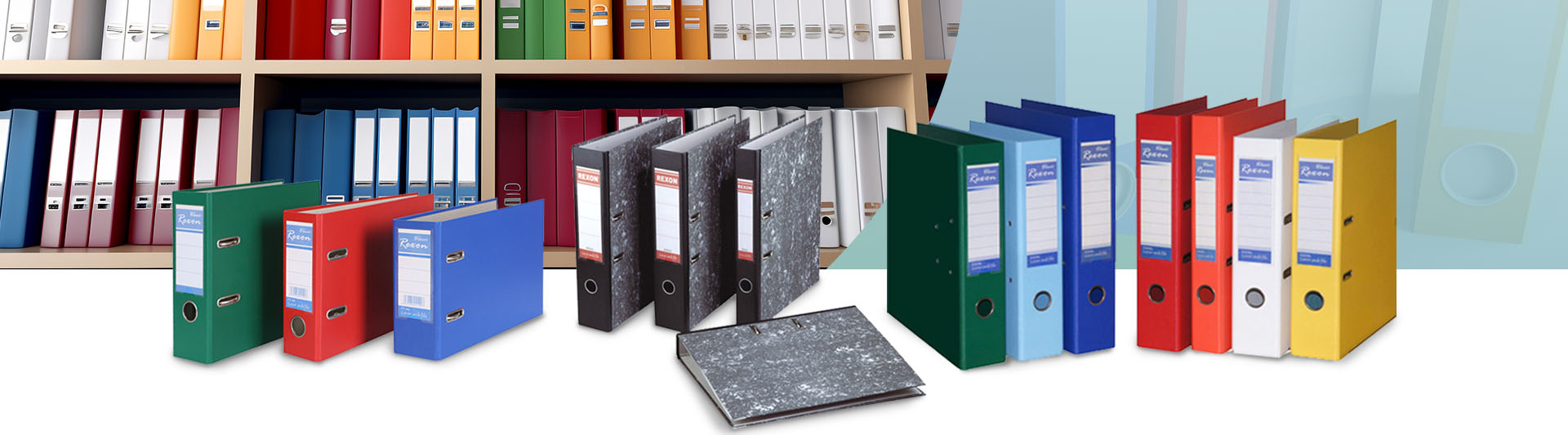
Office filing products are no longer only basic tools for holding paper. They are becoming part of workplace organization, retail stationery displays, school supply planning, and company document management. Although many workflows are digital, physical files are still needed for contracts, invoices, certificates, samples, HR records, training documents, and project materials.
The global office supplies market was valued at about USD 70.58 billion in 2024 and is projected to reach USD 79.28 billion by 2033. This shows that file folders, document bags, expanding files, display books, and archive products still have stable demand when they meet real usage needs. Understanding office filing product trends helps buyers choose products with better market fit and longer sales potential.
Modern offices handle fewer random paper piles, but the documents that remain are often more important. Companies want filing products that make document classification clearer and retrieval faster. This has increased demand for color-coded folders, index dividers, labeled document bags, and archive boxes.
Modern document storage solutions focus on order, visibility, and quick access. A file product with a large label area, transparent window, or clear category color can help users find documents faster. This is useful for finance teams, administrative offices, schools, clinics, warehouses, and service counters.
One major change in office stationery market trends is that buyers no longer treat every file product as the same. Different users now expect different structures. Office workers may prefer slim folders for meetings. Accountants may need thick archive files. Students may like lightweight folders with bright colors. Retail shelves may require attractive assorted packs.
This creates opportunities for product series planning. A supplier can offer basic daily-use folders, heavy-duty archive files, portable document wallets, and retail-ready file sets under one category. REXON supports this type of product matching, helping customers build filing ranges for different usage levels and sales channels.
File folders used to be selected mainly by size and price. Now, visual appeal also affects purchase decisions. Color combinations, matte surfaces, transparent effects, neat labels, and clean packaging can make filing products look more professional.
Retail buyers often prefer products that are easy to display and easy to understand at a glance. Hanging cards, belly bands, barcode placement, and color assortment packs help file folders perform better in stationery aisles. The latest trends in file folders show that practical design and shelf presentation are now closely connected.
Even when customers want better appearance, durability still matters. A folder that cracks, bends, or loses closure strength can quickly create complaints. For bulk orders, material stability is especially important because chain stores and distributors need repeated quality consistency.
PP materials remain popular because they are lightweight, moisture-resistant, flexible, and suitable for color customization. Thicker sheets are often selected for archive files or frequent-use products, while lighter materials can be used for school packs or promotional folders.
REXON can help customers select material thickness, color, finish, and structure according to product positioning. This makes it easier to balance cost, quality, and user experience.
Customization used to mean adding a logo to a standard file folder. Today, buyers often need deeper product adaptation. They may request exclusive colors, private label packaging, language-specific labels, assorted retail packs, customized spine cards, or special carton marks.
For OEM and ODM orders, a supplier should understand market positioning before production. A file product for office supply distributors may need strong durability and clean design. A supermarket filing product may need lower unit cost, attractive packaging, and fast replenishment. A school supply line may need lighter weight, bright colors, and safe rounded details.
This shift makes supplier communication more important. A capable manufacturer should help customers turn market needs into practical products that can be produced repeatedly.
Digital offices still generate paper records that must be stored for legal, financial, or operational reasons. Many companies need long-term storage for contracts, purchase records, inspection reports, certificates, and employee files. This supports continued demand for archive boxes, Lever Arch Files, document wallets, and index systems.
According to ISO records management principles, business records should remain reliable, usable, and protected during the required retention period. This strengthens the role of physical filing products in compliance and internal control.
Future office filing product trends will not only focus on new shapes. The stronger direction is practical improvement. Buyers will likely value products that are easy to classify, easy to carry, easy to store, and easy to reorder.
Good filing products will offer clear labeling, stable material, clean appearance, efficient packaging, and flexible customization. For suppliers, competitiveness will come from product planning, stable manufacturing, and the ability to support retail and wholesale programs.
REXON provides file folders, document storage products, and customized stationery solutions for office, school, retail, and distribution channels. With OEM and ODM support, REXON helps customers create filing products that match real market demand and long-term purchasing plans.
