Material choice has a direct impact on how file folders perform in real working environments. Buyers often compare plastic and paper-based folders when planning product lines or bulk procurement, especially for applications that require durability, branding flexibility, or cost control. Understanding the plastic vs paper folder difference helps avoid mismatches between product type and usage scenario.
Both materials are widely used in filing systems, but they serve different purposes depending on handling frequency, storage duration, and environmental conditions.
Paper File folders are typically made from greyboard or cardboard with a printed or laminated surface. These folders offer a rigid structure that holds its shape well, especially in shelf storage. Their surface can support detailed printing, making them suitable for branding and labeling.
PP folders, on the other hand, are made from polypropylene plastic. This material is lightweight, flexible, and resistant to moisture. Unlike paper-based folders, PP does not absorb water, which makes it more stable in humid environments.
A clear pp vs paper file folders comparison starts with understanding that paper emphasizes structure and presentation, while PP focuses on flexibility and environmental resistance.
Durability is one of the most important differences between the two materials. Paper folders can provide strong support when made with high-density board, but they are more vulnerable to moisture, edge wear, and repeated bending. Over time, corners may soften, and surfaces may show signs of peeling or abrasion.
PP folders offer better resistance to tearing and water exposure. Their flexibility allows them to withstand frequent handling without cracking. When comparing pp file vs paper durability, plastic folders generally last longer in high-use environments such as classrooms, mobile offices, or outdoor applications.
However, for structured storage systems where rigidity is required, paper folders still maintain an advantage due to their firm shape.
The choice between materials often depends on how the folders will be used. Paper folders are commonly preferred for archive systems, office shelving, and situations where documents need to remain upright and organized. Their stiffness makes them suitable for structured filing systems such as lever arch binders.
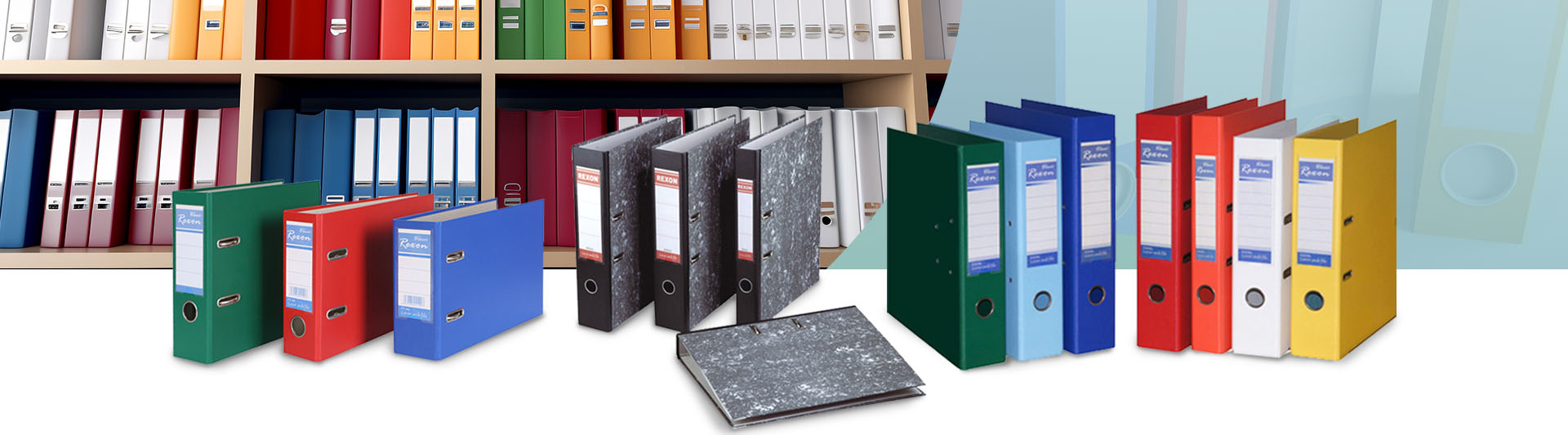
For example, an a4 folder lever arch typically uses a paper-based outer structure combined with a metal mechanism to provide both strength and organization efficiency. This type of folder is widely used for long-term document storage and administrative filing.
PP folders are more suitable for situations that require portability and flexibility. Students, field staff, and temporary document handling scenarios benefit from lightweight plastic folders that can be carried easily without damage.
This makes the cardboard folder vs plastic decision highly dependent on whether the priority is structural stability or ease of movement.
Paper folders provide greater flexibility in printing and finishing. High-quality lamination, embossing, and color matching can be applied to create a professional appearance. This is particularly important for retail products or branded office supplies where visual consistency matters.
PP folders have more limited printing options, although modern techniques allow for screen printing and labeling. Their surface is typically smoother and more resistant to stains, but achieving high-end visual effects is more challenging compared to paper-based products.
In applications where branding and presentation are critical, paper folders often offer better results. For functional use where appearance is less important, PP folders provide practical advantages.
Environmental impact is an important factor in material selection. Paper folders are generally recyclable and align with sustainability initiatives in many markets. However, their production involves pulp processing, which also carries environmental considerations.
PP folders are durable and reusable, which can reduce replacement frequency. While plastic recycling systems are improving globally, disposal and recycling processes can vary by region.
From a cost perspective, paper folders are often more economical for large-scale production, especially when simple designs are required. PP folders may have higher initial costs but can offer better value over time in high-use scenarios due to their longer lifespan.
Selecting between PP and paper folders requires balancing durability, cost, appearance, and application needs. A reliable supplier should be able to provide both options and guide material selection based on specific use cases.
REXON focuses on manufacturing a wide range of filing products, including Lever Arch Files, Ring Binders, and folders using different material configurations. With experience in both paper-based and structured filing systems, the company supports consistent production quality and stable supply for large-volume orders.
The difference between PP and paper file folders lies in their material properties, durability, and application suitability. Paper folders provide rigidity, strong presentation, and compatibility with structured filing systems. PP folders offer flexibility, moisture resistance, and longer service life in demanding environments.
Choosing the right material depends on how the folders will be used and what performance factors matter most. A clear understanding of these differences helps ensure that filing products meet both functional and operational requirements across different applications.
