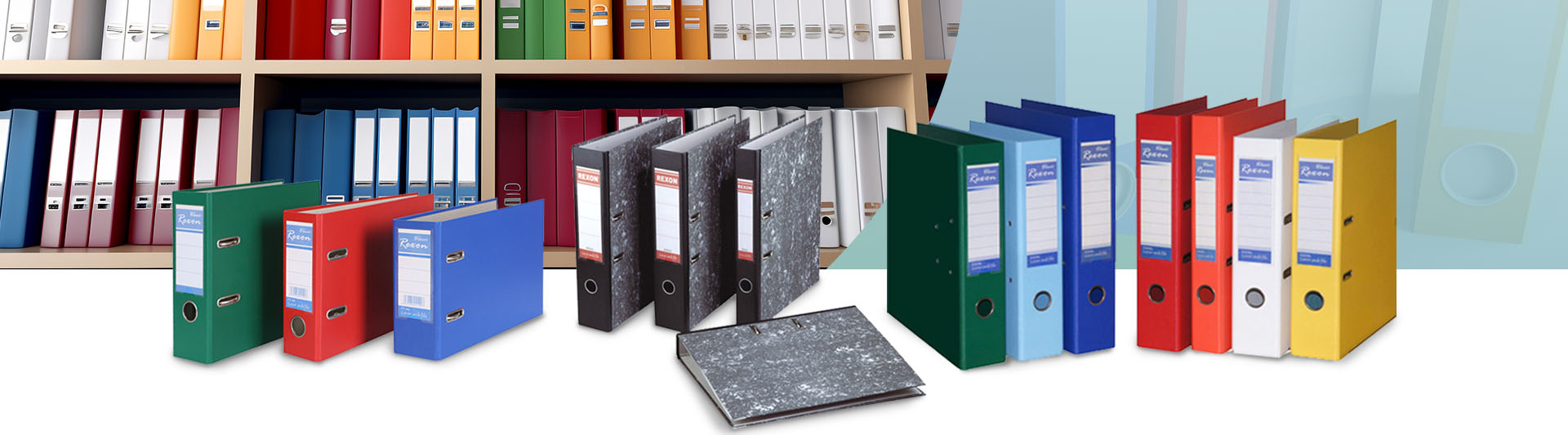
Efficient document handling remains essential in modern workplaces where both digital and physical records coexist. Contracts, invoices, compliance files, and archived paperwork still require structured storage to ensure accessibility and protection. According to the United States Environmental Protection Agency, paper continues to represent one of the largest material categories in office waste streams, indicating the ongoing volume of paper circulation in business environments. At the same time, workplace studies from Princeton University show that visual clutter reduces focus and processing efficiency, reinforcing the need for organized storage systems.
A hanging file system plays a key role in maintaining order, improving retrieval speed, and supporting daily workflow consistency. Understanding hanging file office use helps offices build a practical and scalable filing structure.
Hanging files are designed to store documents vertically within drawers or cabinets, using hooks that rest on rails. This structure allows files to stay upright, evenly spaced, and easy to browse. Unlike stacked folders, hanging files prevent compression and reduce the risk of document damage.
This format supports a file organizer hanging system that enables users to quickly flip through labeled folders without removing large stacks of paper. It is particularly effective in departments that require frequent document access, such as finance, administration, and logistics.
A well-designed hanging file system reduces time spent searching for documents. The U.S. National Archives highlights that structured filing systems improve record accessibility and reduce handling errors in office environments. When documents are categorized and labeled clearly, employees can locate files within seconds instead of minutes.
Understanding how hanging files are used office operations reveals their role in workflow optimization:
Files are grouped by category, date, or project
Labels provide instant visual identification
Documents remain protected without constant handling
Retrieval becomes faster and more consistent
This approach supports better time management and reduces operational friction in document-heavy environments.
Hanging file systems offer several practical advantages compared to traditional stacking methods. These advantages directly impact efficiency, document protection, and workspace organization.
| Benefit | Description |
|---|---|
| Space efficiency | Vertical storage maximizes drawer capacity |
| Easy access | Files can be flipped and browsed quickly |
| Document protection | Prevents folding, tearing, and misplacement |
| Clear organization | Labeling improves visibility and categorization |
| Workflow support | Reduces time spent searching for documents |
These hanging file storage system benefits make them a preferred choice for offices managing large volumes of paperwork.
A standard hanging file includes reinforced edges, metal hooks, and a durable body that supports repeated use. REXON emphasizes strong material selection and structural design in its filing products, ensuring stability and long-term performance.
A hanging file pocket is typically used inside the hanging file to hold loose papers or smaller document groups. This layered structure allows users to organize subcategories within a main file, improving clarity without increasing storage space.
Material quality is critical. Durable polypropylene or reinforced paperboard helps maintain file shape, while strong hooks ensure smooth sliding within drawers. These features reduce wear and extend product lifespan.
A reliable office filing solution supplier should provide consistent product quality, flexible specifications, and the ability to support large-scale office needs. REXON, established in 2001, manufactures a wide range of filing products including Lever Arch Files, Ring Binders, and hanging file systems. The company supplies to over 30 countries and offers customization options such as size, color, and branding.
Consistent supply and standardized product quality help offices maintain uniform filing systems across departments, which improves operational clarity and reduces confusion.
Hanging files are widely used in:
Office drawers for daily document access
Filing cabinets for structured record storage
Archive rooms for categorized long-term files
Administrative departments handling high document volume
Their flexibility makes them suitable for both active and archival filing systems, supporting different levels of document usage.
Hanging files are more than simple storage tools. They form the foundation of an organized document structure that supports daily operations and long-term record management. When combined with clear labeling, durable materials, and consistent supply, they create a system that improves efficiency, reduces clutter, and protects important documents.
Selecting the right hanging file solution helps offices maintain control over physical records while supporting a more streamlined and professional working environment.
