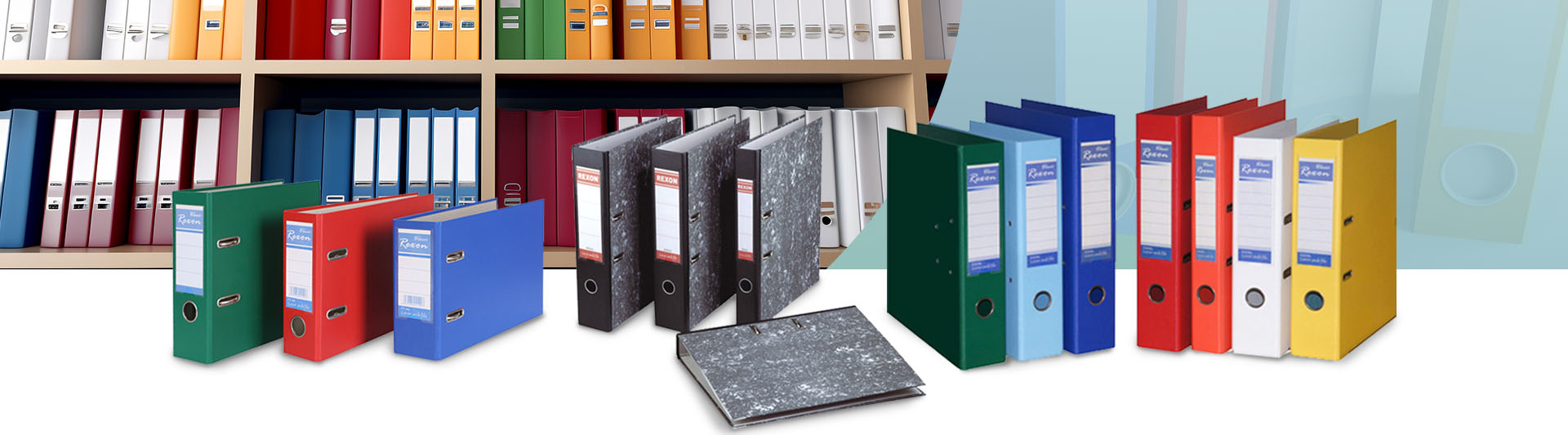
In today's competitive office supplies market, selecting the right binder supplier is a strategic decision that directly impacts operational efficiency, cost management, and product quality. Businesses need partners who can deliver consistent quality, reliable performance, and value that extends beyond the initial price point. As manufacturers with decades of specialized experience, we understand these critical requirements from the ground up. This article examines the essential criteria for choosing binder suppliers, focusing on the practical considerations that ensure long-term satisfaction and supply chain stability.
The foundation of a reliable binder supplier lies in their manufacturing capabilities and industry specialization. Suppliers who concentrate on specific product categories typically develop deeper expertise, resulting in superior product engineering and consistent quality control.
A manufacturer with focused specialization invests in dedicated machinery, specialized tooling, and technician training that directly enhances product performance. For example, lever arch mechanisms require precise engineering to ensure smooth operation and durable performance through thousands of opening and closing cycles. Manufacturers who specialize in these mechanisms develop proprietary knowledge about material tolerances, spring tension optimization, and assembly techniques that general stationery producers simply cannot match.
Key Specialization Advantages:
Product-Specific Engineering: Deep understanding of binder mechanics and materials
Quality Consistency: Standardized production processes for uniform output
Technical Innovation: Continuous improvement of mechanisms and designs
Problem-Solving Capability: Expertise to address specific application challenges
Manufacturers with this focused approach typically employ technicians with extensive industry experience—often 20 years or more in specialized binder production—which translates into superior product design and manufacturing precision.
A supplier's production scale and experience serving diverse markets directly impact their ability to meet your specific requirements consistently. Manufacturers with established international operations have navigated the complex challenges of global supply chains and adapted their products to meet varied market standards and expectations.
| Capacity Dimension | Business Impact | Operational Benefit |
|---|---|---|
| Multi-Country Distribution | Products tested across different environments and user preferences | Proven adaptability to diverse market requirements |
| Scalable Production | Ability to handle both standard and custom orders efficiently | Reliable supply for seasonal fluctuations and special promotions |
| International Compliance | Understanding of regional regulations and standards | Reduced compliance risks for importers and distributors |
| Supply Chain Resilience | Established logistics networks and contingency planning | Minimized disruption risks and consistent delivery timelines |
Manufacturers serving over 30 countries have necessarily developed flexible production systems that accommodate different regional preferences for binder sizes, mechanisms, and materials. This breadth of experience enables them to anticipate potential issues before they affect product quality or delivery schedules.
Quality control in binder manufacturing extends beyond final inspection to encompass the entire production process, from raw material selection to final packaging. Leading manufacturers implement comprehensive quality systems that address each stage of production with specific metrics and checkpoints.
The mechanism of a Lever Arch File exemplifies where quality differentiation becomes most apparent. Superior mechanisms feature precisely tempered steel springs that maintain tension through repetitive use, corrosion-resistant plating on metal components, and smooth-action levers that operate effortlessly. These quality elements result from rigorous material testing, controlled assembly processes, and systematic performance validation.
Critical Quality Checkpoints in Binder Manufacturing:
Raw Material Verification: Confirming paperboard density, vinyl thickness, and metal component specifications
In-Process Controls: Monitoring mechanism assembly, cover fabrication, and component integration
Functional Testing: Validating mechanism operation, ring alignment, and binding capacity
Durability Assessment: Testing repeated use performance under varying conditions
Final Inspection: Comprehensive review of aesthetics, function, and packaging
Manufacturers with established quality systems typically achieve defect rates significantly below industry averages, reducing costly returns and customer dissatisfaction. These quality investments ultimately translate to better end-user experiences and enhanced brand reputation for your business.
While competitive pricing remains an important consideration, the most significant value from a binder supplier comes from total cost optimization throughout the product lifecycle. This encompasses not just the purchase price, but also factors like product longevity, operational efficiency, and supply chain reliability.
Durable binders with reliable mechanisms reduce replacement frequency, lowering the total cost of ownership despite potentially higher initial prices. Furthermore, consistent product dimensions and mechanisms minimize operational disruptions in settings where binders receive daily use, such as educational institutions, legal offices, and medical facilities.
Total Value Components:
Product Longevity: Mechanisms rated for high cycle counts and materials resistant to wear
Operational Efficiency: Consistent sizing for storage systems and smooth mechanism operation
Supply Reliability: On-time delivery performance and inventory management support
Customization Capability: Adaptability to specific branding or functional requirements
Technical Support: Expert guidance on product selection and application solutions
Manufacturers who understand these value dimensions work collaboratively with clients to identify optimization opportunities throughout the procurement and utilization process, ultimately delivering superior return on investment.
The ability to customize products to specific requirements transforms a supplier from a simple vendor to a strategic partner. Customization ranges from basic branding applications to substantive modifications in size, mechanism type, or material specifications that address unique use cases.
Established manufacturers develop customization capabilities through flexible production systems and design expertise. This allows for tailored solutions such as specialized mechanisms for heavy document volumes, unique sizing for archival systems, or reinforced construction for industrial environments. The most effective supplier relationships evolve into collaborative partnerships where manufacturers contribute their technical expertise to solve specific document management challenges.
The stationery industry continues to evolve with changing workplace practices, environmental considerations, and material innovations. Leading manufacturers demonstrate commitment to continuous improvement through regular product enhancements, process optimizations, and sustainable practices.
This forward-looking approach ensures that products remain relevant and competitive in dynamic markets. Manufacturers engaged in ongoing research and development can anticipate market trends and adapt their offerings accordingly, providing clients with products that meet emerging needs before those needs become urgent requirements.
Selecting the right binder supplier requires careful evaluation of specialized expertise, production capabilities, quality systems, and value beyond price. The optimal supplier relationship extends beyond transactional purchasing to become a collaborative partnership focused on solving document management challenges through superior products and reliable support.
Manufacturers with decades of focused experience in binder production bring specialized knowledge that enhances every aspect of the product, from initial design to daily performance. Their international experience across diverse markets provides valuable perspective on product adaptations that meet specific regional requirements. Most importantly, their commitment to quality assurance and continuous improvement ensures that your investment delivers consistent performance throughout the product lifecycle.
By prioritizing these criteria in your supplier selection process, you establish supply chain partnerships that contribute to operational efficiency, cost optimization, and customer satisfaction. The right manufacturing partner becomes an integral component of your business success, providing reliable products that effectively serve your document management needs now and into the future.
