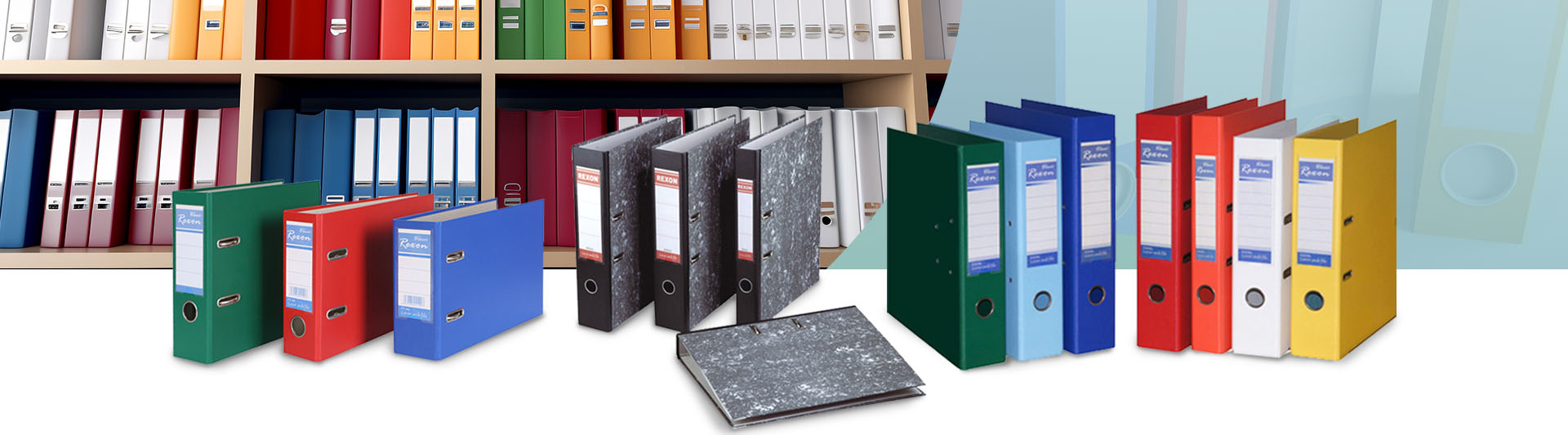
For businesses managing substantial volumes of physical documents, selecting the right filing solution is critical for operational efficiency and document preservation. Lever Arch Files, a staple in many offices, are frequently considered for this role. This article examines whether standard lever arch files are truly suitable for high-frequency access environments and outlines the engineering and manufacturing excellence required to meet such demanding applications.
In a high-frequency office setting, filing systems are subjected to consistent and repetitive stress. A file might be accessed multiple times per day, carried between departments, stored on high shelves, and endure the weight of hundreds of pages. The primary points of failure under these conditions are predictable:
The Metal Mechanism: The lever arch mechanism is the heart of the file. Frequent opening and closing can weaken cheap metals, cause misalignment of the arches, or lead to breakage at the pivot points.
The Cover and Spine: Constant insertion and removal of documents, coupled with physical handling, can cause covers to tear at the edges, spines to crack, or surface materials to delaminate.
The Rings: The rings must close perfectly every time to prevent pages from tearing or falling out. Inconsistent closure is a common failure in low-quality products.
An ordinary lever arch file, designed for light or occasional use, will quickly deteriorate under such conditions, leading to document damage, loss, and the hidden costs of constant replacement.
The transition from a standard file to one built for heavy-duty use lies in purposeful engineering and quality manufacturing. Here are the critical components that differentiate professional-grade lever arch files:
High-Grade Mechanism: The mechanism should be fabricated from cold-rolled steel or reinforced alloys, not thin, stamped metal. This ensures it can withstand thousands of open-close cycles without deformation.
Reinforced Construction: Key stress points require reinforcement. This includes:
Metal Corners: To prevent the most vulnerable part of the cover from bending and fraying.
A Robust Spine: A thick, often multi-layered board spine that resists bending when the file is full and handled.
Secure Riveting: The mechanism must be anchored to the cover with large, durable rivets that will not pull through the material.
Superior Materials: Cover materials matter. While vinyl is common, heavy-duty options include:
PP (Polypropylene) Material: Known for high tear resistance, flexibility, and durability.
Reinforced Board: A thick, high-density base board that provides structure and longevity.
Manufacturers with deep specialization, such as REXON, bring over two decades of focused experience in perfecting the lever arch file mechanism and its integration into the final product. This specialized knowledge translates into files that perform consistently under pressure.
Choosing a supplier for critical office supplies is a strategic decision. REXON stands out as a manufacturer whose entire process is geared toward creating reliable, high-performance filing solutions suitable for the most active offices.
Core Strengths of a Specialized Manufacturer:
| Strength | Benefit for High-Frequency Use |
|---|---|
| Mechanism Specialization | As a factory that specializes in the lever arch file mechanism, REXON controls the most critical component of durability from start to finish, ensuring superior quality and consistency. |
| International Standards | With products supplied to over 30 countries, REXON’s designs are tested against diverse market demands, resulting in robust products that meet global expectations for performance. |
| Expert-Led Production | A team where technicians and managers possess over 20 years of specialized industry experience guarantees that every design and manufacturing decision prioritizes long-term functionality. |
| Vertical Manufacturing | Operating as an experienced manufacturer allows for stringent quality control at every stage, from raw material selection to final assembly, ensuring no compromises are made. |
This integrated approach means businesses are not just purchasing a commodity but investing in a tool engineered for longevity. The value proposition shifts from low initial cost to low total cost of ownership, where reduced replacement rates and zero document loss deliver significant savings over time.
For high-frequency use, durability must be paired with intelligent design features that enhance daily workflow:
Clear, Deep Spine Labels: Allows for quick, at-a-glance identification when files are stored on shelves, saving time and reducing handling.
Smooth-Gliding Mechanism: A well-oiled, precision mechanism that opens and closes with minimal effort, improving user experience during repetitive tasks.
Consistent Ring Closure: Perfectly aligned rings that close seamlessly every time protect documents and provide peace of mind.
When specifying lever arch files for intensive office use, the decision should be guided by a clear understanding of the stress points involved. While basic files serve a purpose for archival or light use, high-traffic environments demand products built with superior materials, reinforced engineering, and specialized manufacturing expertise.
Investing in files from a dedicated manufacturer like REXON ensures that your organization’s critical documents are secure, accessible, and supported by a product designed to perform day after day. This focus on engineered durability directly supports operational efficiency, reduces long-term supply costs, and protects valuable information assets.
