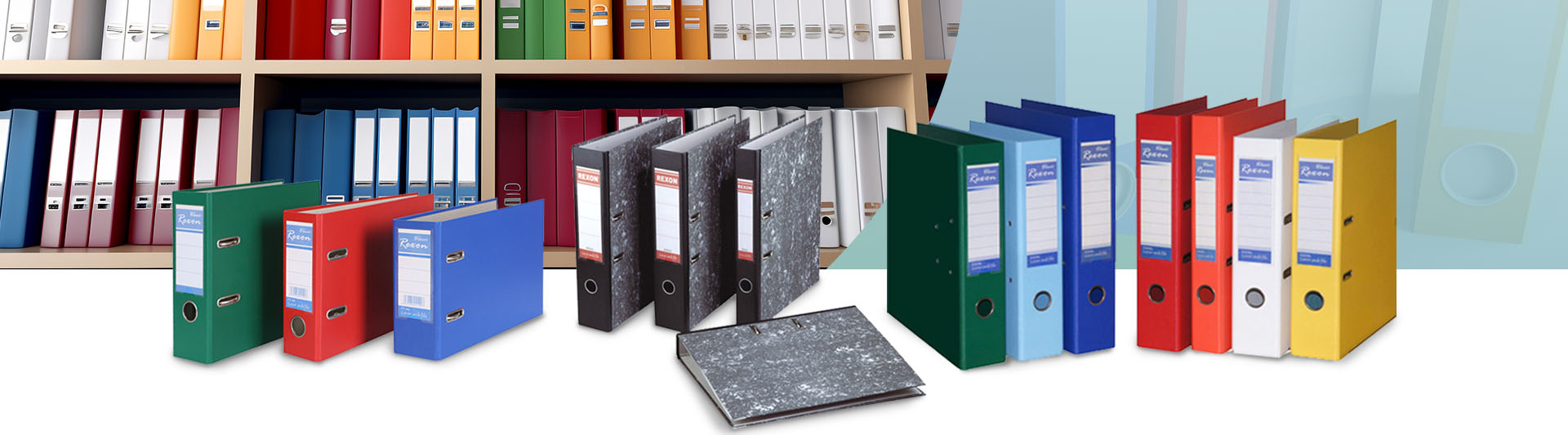
Lever Arch Files are designed for frequent handling and high-capacity document storage, making them a staple in offices, schools, and professional environments. Their lifespan under daily use depends on several factors, including material quality, construction, handling habits, and storage conditions. When chosen correctly and used properly, a lever arch file can remain fully functional for many years.
This article explains what affects durability, typical lifespan expectations, and how to maximize long-term performance under everyday use.
Under regular daily use, a high-quality lever arch file typically lasts between 3 and 7 years without significant performance loss. In environments with lighter use or better storage conditions, this lifespan can extend even further.
Lower-quality files made with thin board cores or weak metal mechanisms may show wear within the first year, especially when opened and closed multiple times per day.
The materials used in a lever arch file play the largest role in determining its lifespan.
Files with high-density cardboard cores maintain shape over time and resist bending even when fully loaded. Exterior covers made from polypropylene or reinforced paper protect against moisture, abrasion, and surface wear.
Metal components such as the arch mechanism, rivets, and compressor bar should be made from strong steel or alloy materials. These resist bending and corrosion, ensuring smooth operation after thousands of open-and-close cycles.
The lever arch mechanism is the most frequently used part of the file. Each opening and closing action places mechanical stress on hinges, rivets, and locking points.
High-quality mechanisms are designed for repeated use and maintain alignment over time. Poorly made mechanisms may loosen, misalign, or lose clamping force, which shortens the overall usable life of the file even if the cover remains intact.
A robust mechanism significantly extends the service life of a lever arch file under daily use.
How a lever arch file is handled has a direct effect on longevity. Opening the arch fully before inserting or removing documents reduces stress on punched holes and metal rings. Pulling files from shelves using the spine or finger hole rather than the top edge prevents tearing and board separation.
Overfilling a file beyond its designed capacity accelerates wear on the spine, hinges, and cover edges. Keeping document loads within recommended limits helps preserve structural integrity.
Storage environment also influences durability. Files stored upright on stable shelves experience less stress than those stacked horizontally or overcrowded.
Excess humidity can weaken cardboard cores and promote rust on metal parts, while extreme temperature changes may cause warping or adhesive failure. A dry, temperature-stable environment supports long-term performance and appearance.
Even durable files eventually show signs of wear. Common indicators include:
Loose or misaligned arch mechanisms
Reduced clamping pressure on documents
Bent or weakened covers
Fraying edges or split spines
Rivets pulling away from the board
When these issues affect usability or document protection, replacement is recommended.
Simple maintenance practices can significantly extend a lever arch file’s life. Regular dust removal prevents abrasive buildup. Occasional inspection of metal parts allows early detection of looseness or misalignment.
Replacing worn spine labels and avoiding unnecessary handling also reduce wear. These small actions collectively add years to daily-use performance.
In office environments with frequent document access, lever arch files experience consistent mechanical stress but benefit from controlled storage conditions. In schools, files may face more physical handling and transport, making material strength especially important.
In both cases, choosing files designed for professional use ensures better resistance to daily wear.
Under daily use, a well-made lever arch file can last several years while maintaining full functionality. Material quality, mechanism strength, handling habits, and storage conditions all influence longevity. By choosing durable files and using them correctly, organizations and individuals can rely on lever arch systems as long-lasting tools for document management.
