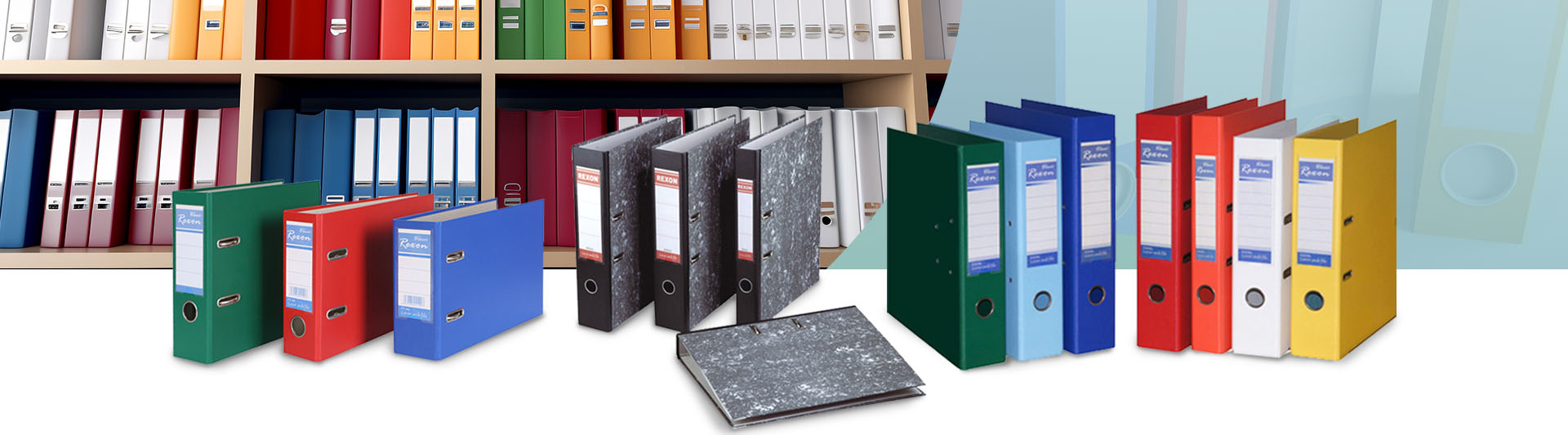
Lever Arch Files are widely used for document organization in offices, schools, and professional environments. As sustainability becomes a growing concern, many users question whether lever arch files are recyclable or environmentally friendly. The answer depends on their materials, construction, and how they are disposed of at the end of their life cycle.
This article explains the environmental aspects of lever arch files, including recyclability, material impact, and practical ways to make their use more eco-conscious.
Most lever arch files are made from a combination of materials rather than a single component. A typical file includes a rigid cardboard core, an outer cover made from paper, polypropylene, or PVC, and a metal arch mechanism with rivets and a compressor bar.
Each material has a different environmental profile. Cardboard and paper-based components are generally recyclable and made from renewable resources. Plastic covers and metal mechanisms are also recyclable, but they usually require separation before processing.
The internal board of a lever arch file is usually high-density cardboard. This material is widely recyclable in standard paper recycling systems, provided it is clean and free from excessive plastic coating.
Paper-covered lever arch files are among the easiest to recycle. When the metal mechanism is removed, the remaining board and paper layers can typically be recycled together. This makes paper-based files a more straightforward option from a recycling perspective.
Lever arch files with polypropylene or PVC covers offer durability and moisture resistance, but plastics require more careful handling at disposal.
Polypropylene covers are recyclable in many regions, as PP is a commonly accepted plastic type. PVC covers are also recyclable but may require specialized facilities depending on local recycling infrastructure.
In most cases, plastic-covered files need to be disassembled so that plastic, cardboard, and metal components can be processed separately.
The metal parts of a lever arch file, including the arch mechanism, compressor bar, and rivets, are typically made from steel or steel alloys. These metals are highly recyclable and can be recovered efficiently through scrap metal recycling streams.
Removing the metal mechanism before disposal improves recycling efficiency and prevents contamination of paper or plastic recycling processes.
One of the strongest environmental benefits of lever arch files is their durability. High-quality files are designed for long-term use and can last for many years with proper care.
Reusing lever arch files reduces the need for frequent replacement, which lowers material consumption and waste generation over time. Files can also be repurposed for new projects, subjects, or archival storage once their original contents are no longer needed.
Compared with single-use folders or thin binders, lever arch files generally have a lower environmental impact over their lifespan. Although they may use more material initially, their long service life offsets this by reducing repeat purchases.
A durable lever arch file used for several years often results in less total waste than multiple disposable filing products used over the same period.
Users can improve sustainability by making informed choices and adopting good practices:
Choose files with high recycled paper content where possible
Prefer polypropylene covers over less recyclable plastics when durability is needed
Reuse files by relabeling instead of discarding
Store files properly to extend their lifespan
Separate materials before recycling at end of use
These steps significantly improve the environmental profile of lever arch file usage.
Manufacturing quality influences sustainability. Well-made files last longer, maintain functionality, and reduce replacement frequency. Strong board cores, reliable metal mechanisms, and durable covers all contribute to extended service life.
Manufacturers that focus on material efficiency and durable design help reduce overall environmental impact across the product lifecycle.
Selecting products from experienced and responsible suppliers supports better sustainability outcomes. REXON, available at https://www.rexon.us, offers lever arch files designed for durability and long-term use. By focusing on strong materials and reliable construction, their products support reuse and reduced waste in professional and educational environments.
Lever arch files can be both recyclable and eco-friendly when their materials are properly managed and their lifespan is maximized. Cardboard, paper, plastic, and metal components are all recyclable when separated correctly. More importantly, the durability and reusability of lever arch files play a major role in reducing environmental impact. With mindful selection, use, and disposal, lever arch files remain a practical and responsible document storage solution.
