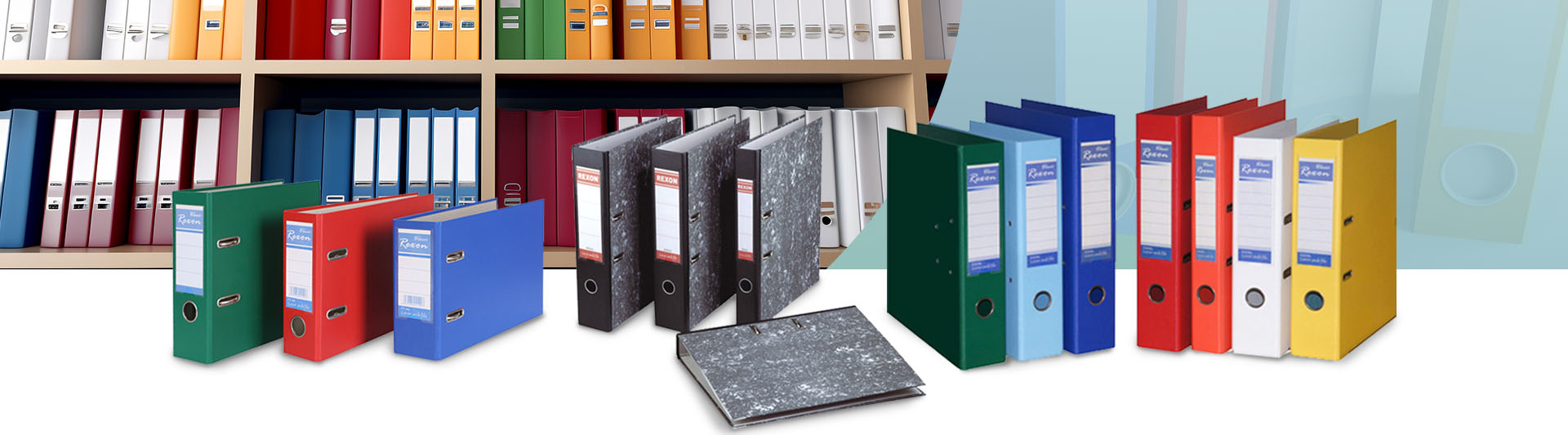
Lever Arch Files are widely recognized as reliable document organizers, but their suitability for long-term storage depends on material quality, environmental conditions, and how they are used. When selected and maintained correctly, lever arch files can protect important records for years while keeping documents accessible and orderly.
This article explores how lever arch files perform in long-term storage, the factors that impact document preservation, and best practices for maximizing durability.
A lever arch file is a structured binder with a robust metal arch mechanism that holds punched documents securely. Its key advantages for storage include:
High capacity for bulky files
Lever arch mechanisms can hold large volumes of paper, making them suitable for archival folders, project records, reports, and reference materials.
Flat, secure document placement
Documents lie flat against the file’s spine, reducing curling, folding, and edge damage that can occur in loose-leaf folders or envelopes.
Stable outer structure
Files with rigid boards and durable cover materials resist bending and protect contents when stored on shelves or in cabinets.
Together, these design features support organized, long-term document retention.
The outer materials of a lever arch file significantly influence its long-term performance:
Polypropylene (PP) and PVC covers resist moisture, stains, and surface wear, making them suitable for environments where files may be handled often or exposed to light humidity.
Paper-based covers offer a professional appearance and can be reinforced with coatings, but they require more careful storage to prevent water damage and warping.
Files with reinforced corners and strong spine construction retain shape over extended storage periods, protecting the contents from external stress and pressure.
The metal arch mechanism is a central component in long-term storage performance. High-grade steel or chrome-plated mechanisms resist rust and bending, maintaining smooth document access over time.
A quality arch system prevents document shifting and supports dependable page turning, which is especially important in reference files reviewed periodically.
Quality rivets, fasteners, and hinges ensure that the hardware remains secure even with repeated opening and closing.
Even the best lever arch file cannot fully protect documents in poor storage conditions. Key environmental factors include:
Humidity
Excess moisture can cause paper pages to warp, stick together, or become prone to mold. Choosing moisture-resistant covers and storing files in climate-controlled spaces helps mitigate these risks.
Temperature fluctuations
Large temperature swings can weaken adhesives and warp boards. Stable, moderate environments support long-term preservation.
Light exposure
Prolonged exposure to sunlight or strong artificial light can fade covers and document ink. Keeping files in shaded shelves or enclosed cabinets preserves appearance and readability.
Proper environmental control enhances the storage life of both the lever arch file and the documents inside.
For sensitive or valuable records, additional internal protection can improve long-term storage outcomes. Use acid-free sheet protectors, archival sleeves, or buffered paper inserts to reduce the impact of aging and prevent yellowing.
Clear protective sleeves are especially useful for certificates, photos, legal records, or documents that are referenced infrequently but must remain in pristine condition.
Clear spine labels and indexed tabs improve retrieval during long-term storage. Files stored for long periods should be identifiable at a glance, reducing unnecessary handling that can wear covers and mechanisms over time.
Using durable label holders and replacing worn labels supports organization and minimizes damage during frequent searches.
Maintaining lever arch files contributes to long-term storage performance. Periodic cleaning, dust removal, and gentle handling help preserve both the file and its contents.
Opening the arch mechanism fully and inserting or removing documents carefully minimizes stress on punched holes and prevents unnecessary tearing.
Lever arch files are particularly suitable when:
Large volumes of documents need to be kept together.
Documents are accessed periodically rather than daily.
Storage conditions are controlled for humidity and temperature.
Protection against bending and external pressure is required.
For long-term archival needs in professional contexts, quality lever arch files are often preferable to loose-leaf folders or envelopes.
Selecting files made from durable materials and reliable mechanisms enhances long-term storage success. Premium products offer robust structure, moisture resistance, and smooth hardware performance.
REXON, available at https://www.rexon.us, offers lever arch files built with durable covers and strong mechanisms that support extended use. Choosing quality files from experienced manufacturers helps ensure documents remain organized and protected over many years.
Lever arch files can be excellent solutions for long-term document storage when matched with appropriate materials, stable storage environments, and careful handling. Their high capacity, secure arch mechanisms, and protective covers support organized retention of records over extended periods. With the right combination of quality file and environmental conditions, lever arch systems offer reliable document preservation for personal, academic, and professional needs.
