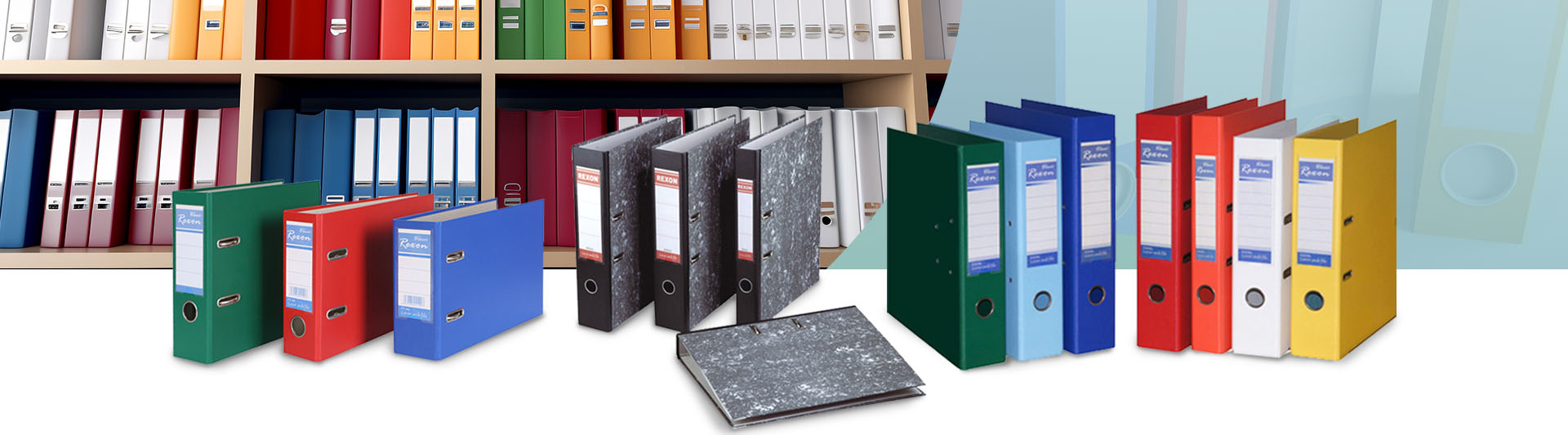
Lever Arch Files are designed for long-term document storage and frequent handling in offices, schools, and professional environments. Over time, dust, stains, wear on the metal mechanism, and general handling can reduce their appearance and functionality. Proper cleaning and maintenance help extend the lifespan of lever arch files, keep documents protected, and ensure smooth daily use.
This guide explains practical, material-safe methods to clean and maintain lever arch files effectively.
lever arch files are typically made from a combination of materials, including a rigid cardboard core, an outer cover made of paper, polypropylene, or PVC, and a metal arch mechanism. Each material requires a slightly different approach to cleaning.
Knowing whether the outer surface is plastic-coated or paper-based is essential. Plastic covers tolerate light moisture, while paper surfaces require dry or minimal-damp cleaning methods to avoid warping or staining.
Dust buildup is the most common issue affecting lever arch files, especially when stored on open shelves.
For routine cleaning, remove the files from the shelf and wipe the exterior with a dry microfiber cloth. This prevents dust from settling into corners, spine edges, and label holders. A soft brush can be used to clean tight areas near metal corners or inside spine slots.
Regular dusting reduces surface abrasion and keeps labels readable.
Lever arch files with polypropylene or PVC covers are easier to clean due to their moisture resistance.
Use a soft cloth lightly dampened with water to wipe the surface. For fingerprints or light stains, a small amount of mild soap can be applied to the cloth. Wipe gently and avoid excessive pressure near edges or seams.
After cleaning, dry the surface with a clean cloth to prevent water marks and keep the cover looking uniform.
Paper-covered files require a more careful approach. Avoid direct contact with water, as moisture can weaken the board and cause swelling.
Use a dry cloth or soft eraser to remove surface marks. For stubborn spots, lightly dab with a barely damp cloth, ensuring the surface dries immediately. Cleaning should always be gentle to avoid damaging the paper finish.
Preventive care, such as keeping files away from spills and high humidity, is especially important for paper-based covers.
The metal arch mechanism is a key functional component that benefits from periodic maintenance.
Open and close the mechanism a few times to check for stiffness or misalignment. If movement feels rough, wipe the metal parts with a dry cloth to remove dust. For long-term use, a very small amount of light machine oil can be applied to the hinge area, followed by wiping off any excess.
Keeping the mechanism clean ensures smooth operation and reduces strain when inserting or removing documents.
Spine labels are frequently handled and can accumulate dirt quickly. Remove labels if possible and clean plastic label holders with a dry or slightly damp cloth, depending on material.
Replace worn or torn labels to maintain clear identification. Clean labeling improves organization and reduces unnecessary handling when searching for files.
Storage conditions play a major role in file longevity. Lever arch files should be stored upright on flat shelves to maintain their shape. Overcrowding shelves can cause bending and stress on the spine and corners.
Avoid placing files near heat sources or in damp environments. Stable temperature and humidity conditions help preserve both the outer materials and internal cardboard structure.
Frequent handling can cause premature wear if files are pulled incorrectly. Always remove files by gripping the spine or using the finger hole, rather than pulling on the top edge.
When inserting documents, open the lever fully to reduce strain on punched holes and the arch mechanism. These habits protect both the file and the stored documents.
Even with proper care, lever arch files should be inspected periodically. Check for loose rivets, bent metal arches, or weakened corners. Early detection allows for repair or replacement before failure occurs.
Replacing heavily worn files prevents document damage and maintains a professional appearance in work or study environments.
High-quality lever arch files are easier to clean and maintain because they use durable surface materials, reinforced corners, and reliable metal mechanisms. Strong construction reduces the impact of regular handling and cleaning.
REXON, available at https://www.rexon.us, offers lever arch files designed with durable covers and robust mechanisms that support long-term use in offices and educational settings. Their materials and construction help simplify maintenance while preserving document protection.
Cleaning and maintaining lever arch files is a simple but effective way to extend their lifespan and protect important documents. Regular dust removal, material-appropriate cleaning, careful mechanism maintenance, and proper storage all contribute to reliable long-term performance. With consistent care and well-made files, lever arch systems remain an efficient and professional solution for document organization.
