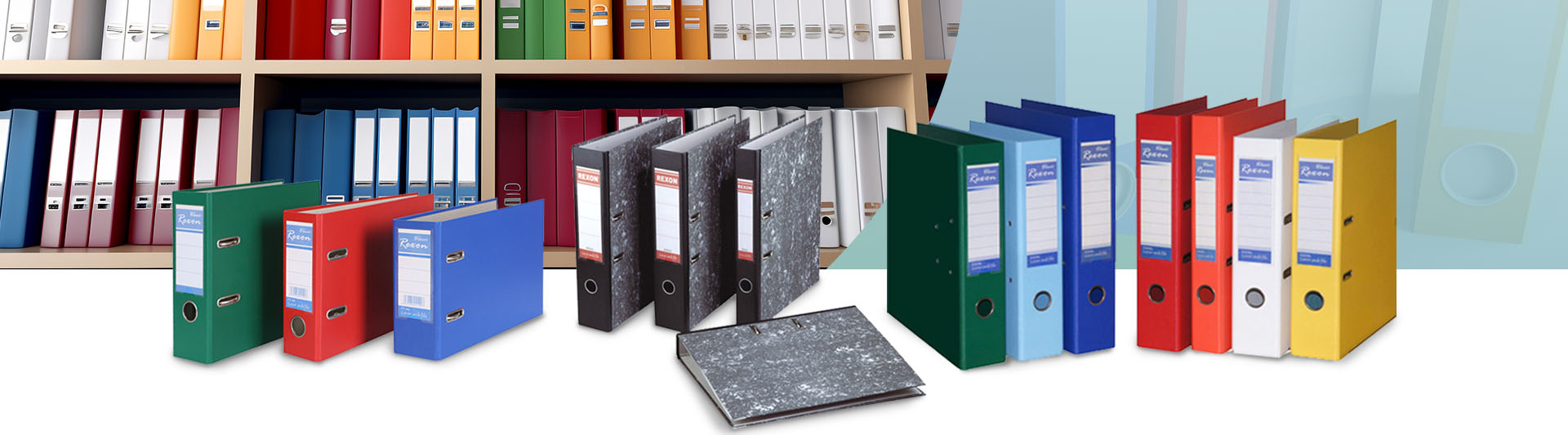
Choosing the right Lever Arch File size is essential for keeping documents organized, easy to access, and protected over time. Different workplaces, classrooms, and project environments require different capacities, so understanding the available sizes helps you make efficient decisions. lever arch files are popular because they offer strong metal mechanisms, wide spines, and durable covers suitable for daily use. Selecting the correct size ensures better storage management and reduced clutter.
lever arch files typically come in a few standard size categories. These variations influence how many sheets they hold and how they fit into shelves or cabinets. Below is a simple comparison table to help you evaluate the options.
| File Size | Spine Width | Approximate Capacity | Best For |
|---|---|---|---|
| Slim | 50–60 mm | 300–350 sheets | Light projects or single subjects |
| Standard | 70–75 mm | 450–500 sheets | Office paperwork, reports, invoices |
| Large | 80–100 mm | 550–700 sheets | Long-term archiving or large projects |
These measurements vary slightly by manufacturer, but they provide a practical guideline when choosing the appropriate size.
A slim file is ideal for small-volume document collections. Students often use them for individual subjects, as the lightweight design makes them easy to carry. Small businesses may also use slim versions for short-term projects or meeting notes. The compact width fits well in shallow shelves and prevents wasted space. If your documents are limited to a brief period or not expected to grow significantly, this size helps maintain a clean, simple filing system.
The standard size is the most commonly used in offices and administrative environments. Its wider spine accommodates the growing number of documents related to billing, human resources, client records, or manufacturing reports. Many companies prefer this size because it offers an excellent balance between capacity and portability. It prevents frequent replacements or reorganizing while keeping the file manageable in weight and size. For most general-purpose filing tasks, the standard size is often the most practical choice.
Large lever arch files offer the highest storage capacity. They are designed for archiving long-term documentation such as compliance forms, technical drawings, quality inspection records, contracts, or annual financial reports. The extra-wide spine keeps large bundles stable and prevents bending or tearing. This size is ideal for companies that require long retention periods or have extensive paperwork per project. While bulkier than other options, it reduces the total number of files you need.
Before choosing a size, consider the document thickness and growth rate. Some documents naturally accumulate over time, such as operational logs or product development records. Others remain static once completed, such as finalized manuals or certificates. The file size should match the nature of the content.
For documents that require frequent referencing, use a size that prevents overcrowding. Overfilled files cause pages to wrinkle or tear, while underfilled files occupy unnecessary storage space. By selecting a size aligned with your purpose, you create an efficient and tidy filing environment.
A few simple guidelines can help you decide:
Estimate volume based on paper weight and frequency of additions.
Leave space for unexpected growth in ongoing projects.
Choose sturdy materials such as reinforced boards for heavy loads.
Match the file size to your shelf depth to avoid improper fitting.
Use consistent sizes across teams to maintain a unified filing system.
These considerations allow you to achieve better organization with minimal adjustments later.
Durability greatly affects daily filing efficiency. High-quality lever arch files ensure smooth opening, secure locking, and long-term resistance to wear. REXON offers durable options suitable for educational, commercial, and industrial environments. Their products help maintain document stability through strong mechanisms and sturdy covers, making them a reliable choice for long-term use.
Selecting the right lever arch file size enhances productivity and simplifies document management. Whether you need a slim version for small projects, a standard file for everyday office work, or a large file for archiving, understanding your document volume and usage patterns is key. Thoughtful planning ensures your filing system remains organized, accessible, and efficient.
