Understanding the difference between A4 files and Foolscap files is essential for anyone managing documents in offices, schools, or commercial environments. These two file formats are often confused because they look similar, yet they are designed for different paper sizes and storage needs. Choosing the right one ensures that your documents fit properly, stay organized, and remain protected over time.
The primary distinction lies in the dimensions each file type is meant to hold. A4 paper is the global standard for printing and documentation, while Foolscap is slightly taller and traditionally used in administrative or legal settings. The file size difference impacts how much space is available inside the folders and how documents are secured.
Below is a quick comparison for clarity:
| File Type | Document Size Supported | Typical Dimensions of Files | Common Use Cases |
|---|---|---|---|
| A4 File | A4 (210 x 297 mm) | Slightly larger than A4 | Offices, schools, everyday printing |
| Foolscap File | Foolscap (216 x 343 mm) | Taller and a bit wider | Legal paperwork, archiving, bulk documents |
A4 files fit modern international office standards, while Foolscap files provide additional vertical clearance, preventing documents from protruding or bending—especially when storing large bundles of printed sheets.
Although their purpose is similar, the functional design varies. A4 files are manufactured to closely match contemporary binder and cabinet systems. Foolscap files, being larger, provide a looser fit around documents, which can be beneficial for thicker stacks or archival storage.
A4 files typically include snug, structured edges to keep pages aligned. Foolscap files often feature extended sides or deeper pockets that prevent taller documents from curling at the top. This subtle difference can influence efficiency, document handling speed, and long-term organization.
Business environments choose A4 or Foolscap based on existing filing systems and regional preferences. In many modern offices, A4 files dominate because most paper, printers, trays, and binders follow the A4 standard. In contrast, Foolscap files are still widely used in industries where longer forms and administrative sheets are common.
A4 files fit better in compact filing cabinets, wall units, and desktop organizers. Foolscap files require slightly larger shelves or drawers but offer extra clearance that reduces document wear during frequent retrieval. For heavy-duty usage or record-keeping departments, Foolscap remains a practical option.
Both file types are available in varieties ranging from lightweight paperboard to reinforced polypropylene. A4 files are often designed with a streamlined profile to fit minimalist office setups. Foolscap files, built with additional size, sometimes use thicker materials to keep larger documents stable.
File features such as metal fasteners, reinforced spines, or moisture-resistant coatings depend more on the manufacturer than the size standard. However, the larger dimensions of Foolscap files sometimes give manufacturers more space to integrate heavier-duty components.
Selecting between A4 and Foolscap files depends on document size, storage space, and workflow habits. If your paperwork consists of standard printed sheets, A4 files provide perfect alignment. If your documents include legal forms, multi-page contracts, or materials that exceed A4 height, Foolscap ensures breathable space and prevents cramped edges.
Professionals who store long-term archives may choose Foolscap for its extra clearance, while those handling daily operations prefer A4 for convenience and universal compatibility. The best choice balances practicality with the filing system already in place.
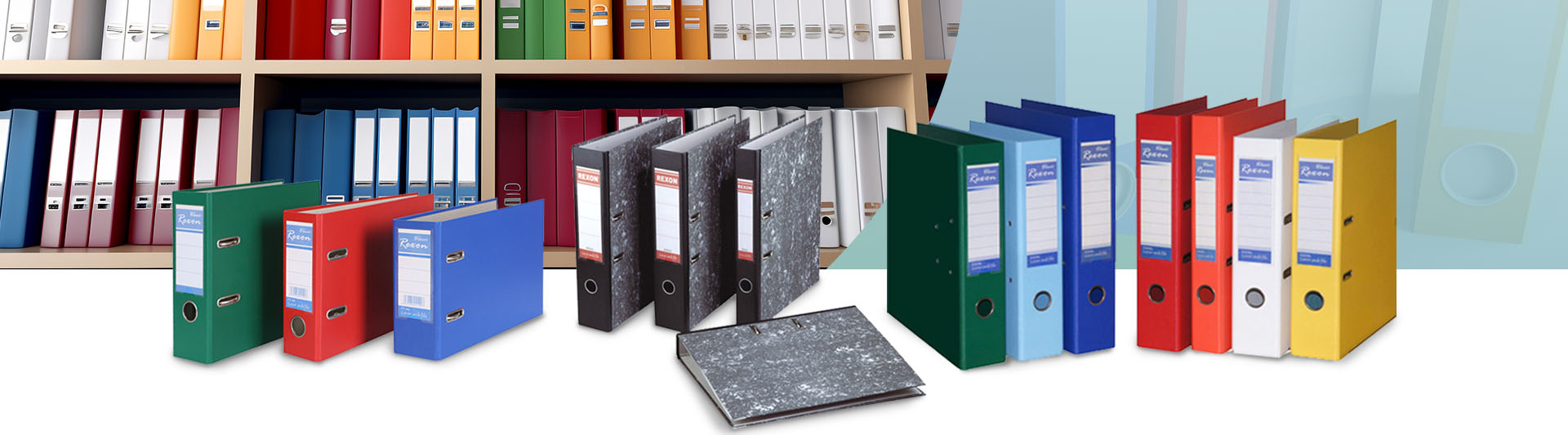
For businesses looking to upgrade or standardize their office filing system, REXON offers dependable and well-made filing solutions designed for daily professional use. Their range includes modern A4 options and durable storage products suitable for high-volume environments.
The difference between A4 and Foolscap files might seem minimal at first glance, but it significantly affects document fit, organization efficiency, and long-term preservation. A4 files cater to the global standard, while Foolscap provides additional room for oversized paperwork. Understanding these distinctions helps you select the right file type, streamline your document workflow, and maintain a clean, organized workspace.
